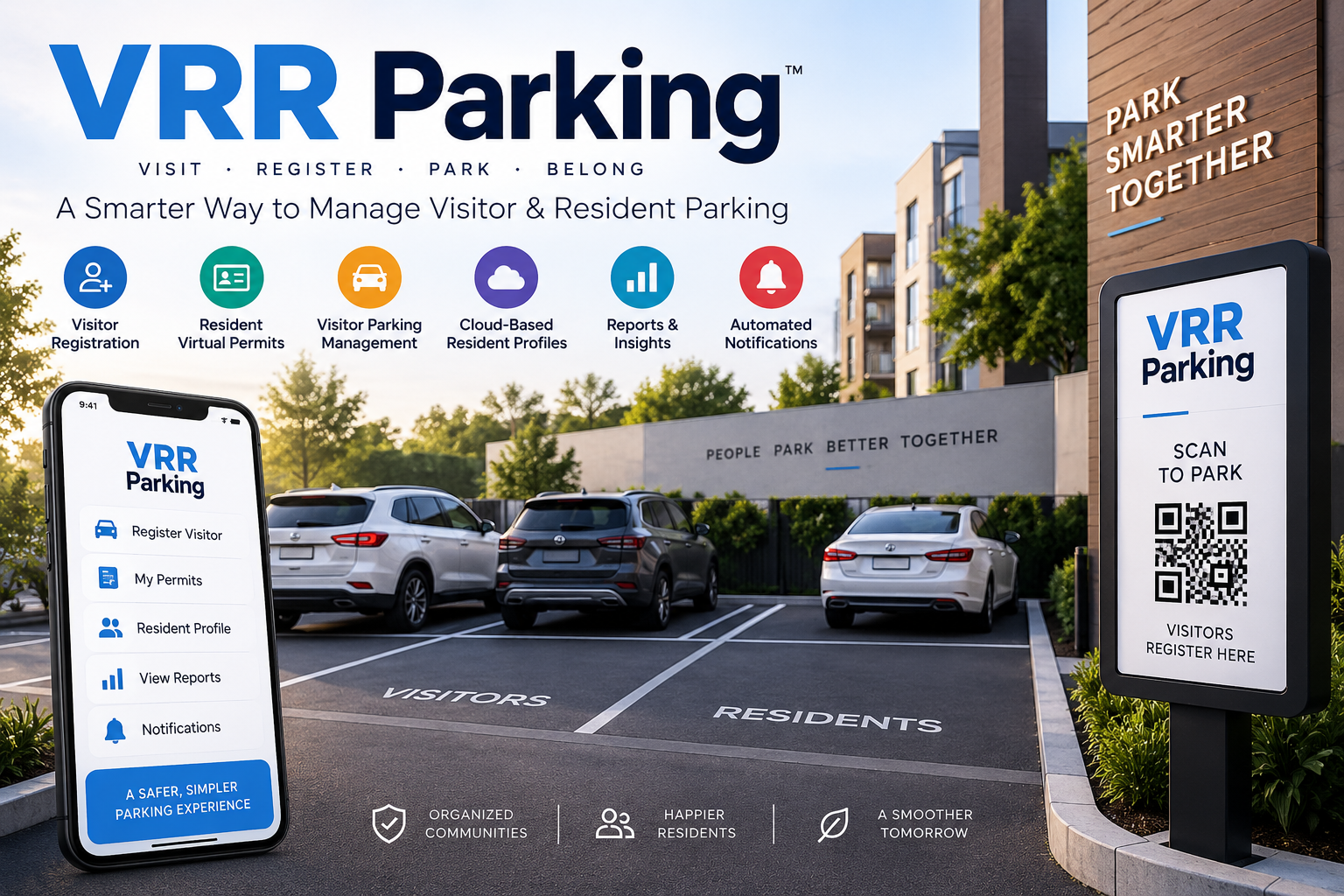
VRR parking is a term that can refer to parking facilities, parking management services, or technology-focused approaches designed to make parking more organized and convenient. As cities become increasingly crowded and the number of vehicles continues to grow, efficient parking has become an important part of urban planning. Drivers want convenient spaces, businesses need better use of available land, and property owners want parking areas that are safe, accessible, and easy to manage.
Table of Contents
ToggleWhat Is VRR Parking?
VRR parking can be understood as a parking-related term associated with the organization, management, or operation of vehicle parking spaces. Depending on the context in which the term is used, VRR parking may describe a specific parking location, a parking service, or a system connected with parking operations.
At a general level, modern parking systems focus on helping drivers locate spaces, enter and exit facilities efficiently, understand parking rules, and complete payments when required. Operators can also use digital tools to monitor occupancy, manage pricing, improve security, and collect useful operational information.
Why Efficient Parking Matters
Parking is an essential part of transportation infrastructure. A vehicle may spend most of its time parked rather than moving, which means cities and businesses need effective ways to manage parking capacity. Poorly organized parking can create unnecessary congestion, particularly when drivers circle streets or parking lots looking for available spaces.
An efficient parking environment can make journeys more predictable and reduce frustration. Clear signs, properly marked spaces, accessible entrances, well-maintained surfaces, and straightforward payment procedures all contribute to a better experience.
How Parking Management Has Changed
Traditional parking relied heavily on signs, attendants, paper tickets, cash payments, and manual monitoring. While these methods can still work, technology has introduced more flexible alternatives. Digital payment systems, license plate recognition, mobile applications, automated gates, and parking sensors are now used in many modern facilities.
These technologies can reduce the amount of manual work required by parking operators. A digital system may record when a vehicle enters, calculate the parking duration, process payment, and assist with exit management. Depending on the facility, drivers may also be able to reserve spaces or check parking information before arriving.
VRR Parking and the Driver Experience
For drivers, a good parking experience begins before they enter the parking facility. Information about location, operating hours, available spaces, pricing, and restrictions can help people plan their journey. When this information is easy to understand, drivers are less likely to encounter unexpected problems.
Inside a parking area, navigation is equally important. Drivers benefit from visible signs and clearly marked lanes. Larger facilities may use electronic displays to indicate available areas or spaces. These features can reduce the amount of time drivers spend searching for a suitable location.
Technology Used in Modern Parking Facilities
Modern parking management can incorporate several technologies. Parking sensors can detect whether individual spaces are occupied. Cameras can help monitor entrances, exits, and general activity. Automatic license plate recognition can assist with vehicle identification, while digital payment platforms can simplify transactions.
Some systems connect these technologies through centralized software. Operators can potentially see occupancy information, monitor equipment, review transactions, and identify operational problems from one interface. This can make it easier to manage a large parking facility compared with relying entirely on manual processes.
Smart Parking and Space Availability
One of the biggest challenges in busy areas is knowing where parking spaces are available. Drivers may waste time searching because they do not know whether a nearby facility has open capacity. Smart parking systems attempt to address this problem by collecting and presenting occupancy information.
Sensors, cameras, entry records, or other technologies can be used to estimate parking availability. When connected to a mobile application or digital sign, this information may help drivers make decisions before or during their journey.
The Role of Parking Sensors
Parking sensors are among the technologies associated with smart parking. These devices can determine whether a parking space is occupied and communicate information to a central system. Different technologies can be used for detection, including ultrasonic, magnetic, infrared, camera-based, and other sensing methods.
However, sensors require installation, maintenance, calibration, and reliable connectivity. Technology can improve parking management, but it also introduces operational responsibilities that traditional parking systems may not have required.
Digital Payments in Parking
Digital payments have become an increasingly common feature of modern parking. Instead of relying solely on cash or physical tickets, drivers may be able to pay using cards, mobile wallets, payment applications, or other electronic methods.
A well-designed payment system should be simple and transparent. Drivers should be able to see applicable parking charges, understand how payment is calculated, and receive confirmation when a transaction is completed. Clear communication is especially important when facilities use different rates for different periods.
Parking Security and Safety
Security is another major consideration when evaluating a parking facility. Good lighting, visible signs, controlled access, surveillance systems, emergency procedures, and well-maintained pedestrian routes can contribute to a safer environment.
Technology can support these measures, but it should not replace good facility design and responsible management. Cameras, for example, may assist monitoring, while access-control systems can help regulate vehicle movement.
Accessibility in Parking Areas
Accessible parking is an important element of inclusive facility design. Parking operators should follow the accessibility requirements that apply to their location and ensure that designated spaces are clearly identified and properly managed. Accessible routes should connect parking areas with relevant entrances whenever possible.
Clear markings and signage can help eligible users locate appropriate spaces without confusion. Accessibility goes beyond individual parking spaces. The overall design should consider ramps, pedestrian crossings, entrances, elevators where applicable, and other features that may affect people with mobility limitations.
Parking and Urban Congestion
Parking management has a relationship with traffic congestion. In busy urban areas, drivers searching for parking can add unnecessary vehicle movement to already crowded roads. Better information and more efficient facilities may reduce some of this searching.
Cities also need effective public transportation, pedestrian infrastructure, cycling facilities, appropriate land-use planning, and traffic management. The most effective approach is usually one in which parking is considered part of the larger transportation system rather than as an isolated service.
Future Trends in Parking
The future of parking is likely to involve greater integration between vehicles, mobile applications, payment systems, sensors, and transportation networks. Connected vehicles may eventually communicate with parking infrastructure to identify available spaces and provide navigation assistance.
Artificial intelligence and data analytics may also play a larger role. Parking operators could use historical information to forecast demand and optimize operations. Automated license plate recognition and contactless payment may continue to reduce the need for physical tickets.
Why Parking Management Will Continue to Matter
As vehicle ownership and urban density change, efficient parking will remain an important transportation issue. Businesses, residential developments, hospitals, airports, entertainment venues, and public institutions all need parking strategies that balance convenience, capacity, cost, safety, and land use.
Terms such as VRR parking may represent a particular facility or service, but the broader subject reflects a much larger transformation in how parking is planned and managed. The combination of physical infrastructure and digital technology can make parking more organized while providing operators with better information.
Final Thoughts on VRR Parking
VRR parking can be explored as part of the broader evolution toward more organized and technology-supported parking management. Modern parking is no longer simply about providing a space for a vehicle. It can involve digital payments, occupancy monitoring, security systems, accessibility planning, data analysis, reservations, and integration with wider transportation networks.
As cities and businesses continue adopting smarter transportation solutions, parking management will likely become increasingly connected, data-driven, and user-focused. Understanding concepts associated with VRR parking can therefore help drivers and property managers appreciate the changing role of parking in modern mobility.
FAQS
What is VRR parking?
VRR parking is a term that may refer to a particular parking facility, parking service, or parking management system. Its exact meaning depends on the specific location or organization using the term.
How does modern VRR parking work?
Modern parking systems may use digital payment systems, cameras, sensors, automated gates, license plate recognition, and parking management software to make parking easier to manage and more convenient for drivers.
Can I check parking availability before arriving?
Some modern parking facilities provide real-time or estimated availability through digital signs, websites, or mobile applications. Availability features depend on the specific parking operator.
Does VRR parking support digital payments?
Digital payment options are increasingly common in modern parking facilities. Depending on the location, drivers may be able to pay using cards, mobile wallets, apps, or other electronic methods.
Are parking fees fixed?
Parking fees can vary according to location, parking duration, time of day, demand, and facility policies. Drivers should check the current pricing information at the specific parking location.
Also Read Here: Best Wireless Presentation Clickers



1 thought on “The Complete Story of VRR Parking and Modern Vehicle Management”