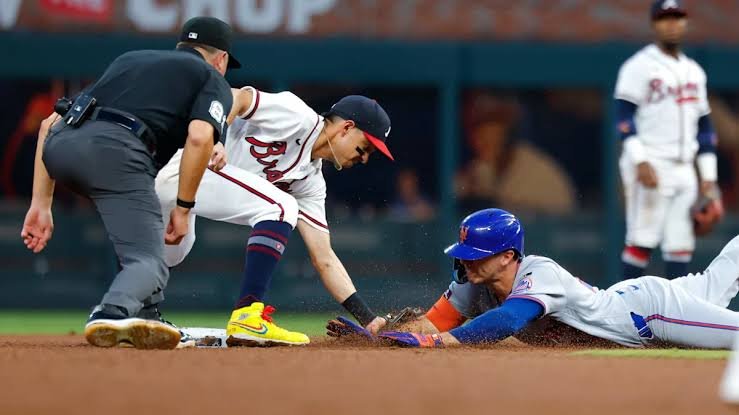
The Atlanta Braves vs Minnesota Twins match player stats highlight the difference between individual production and overall team execution in this National League–American League matchup. In their most recent completed regular-season meeting as of October 18, 2026, Minnesota defeated Atlanta 6–4 on August 19, 2026, at Target Field. The Twins collected 10 hits, while the Braves finished with seven hits and one error. The result completed a three-game sweep for Minnesota after victories of 4–2 on August 17 and 4–1 on August 18.
Final Box Score and Team Comparison
The final score was Minnesota Twins 6, Atlanta Braves 4. The official game statistics show that Minnesota recorded 10 hits and no errors, compared with seven hits and one error for Atlanta. The Twins also received more productive contributions from several players in key situations, particularly Kody Clemens, whose three RBIs proved decisive.
The difference was not simply the number of hits. Atlanta managed to tie the game after trailing, but Minnesota generated the decisive runs in the seventh inning. The Twins combined timely hitting with a strong relief effort, while the Braves could not produce another scoring response in the final three innings. That contrast is central to understanding the player statistics from this matchup.
Kody Clemens Delivers Minnesota’s Biggest Offensive Contribution
Kody Clemens was one of the most influential players in the game, finishing with two hits in four at-bats, one run scored, and three RBIs. He did not need a home run to make his performance count. Instead, he produced important hits when Minnesota needed to establish a lead and regain control after Atlanta’s comeback.
The distinction between total production and situational production matters here. A player can collect several hits without changing the result significantly, while one well-timed hit can shift the game’s direction. Clemens supplied both early damage and a decisive late contribution.
Kaelen Culpepper Provides Consistent Contact
Kaelen Culpepper recorded three hits in four at-bats for Minnesota, making him the team’s most productive hitter by total hits in the August 19 matchup. He scored once and finished without a strikeout, demonstrating an ability to put the ball in play throughout the game.
His game batting average of .314, as shown in the box score, also stood out among the listed Minnesota hitters. One game’s performance should not be treated as proof of a long-term trend. The more defensible conclusion is that Culpepper had an excellent individual outing and helped the Twins maintain an advantage in total hits.
Minnesota’s offensive success was not dependent on a single player reaching base repeatedly. The Twins spread their hits throughout the lineup, letting Clemens, Culpepper, Josh Bell, and others influence different stages of the game. That variety made it harder for Atlanta to shut down the offense by focusing on one batter.
Josh Bell Helps Set Up the Winning Rally
Josh Bell played an important role in the seventh-inning sequence that decided the contest. He finished with one hit in three at-bats, one run scored, one RBI, and one walk. His double off Atlanta reliever Victor Mederos came with the score tied at four, giving the Atlanta Braves vs minnesota twins match player stats a valuable opportunity to move ahead.
Bell’s double was significant because it placed a runner in scoring position before Clemens stepped to the plate. The situation required a hit capable of advancing the runner and changing the score, and Clemens delivered with an RBI single. Bell’s earlier contribution therefore formed part of a sequence rather than an isolated statistic.
Brooks Lee Adds the Insurance Run
Brooks Lee recorded one hit in four at-bats and finished with one RBI. His seventh-inning single brought Clemens home, extending the Atlanta Braves vs minnesota twins match player stats lead to 6–4. That additional run gave the Twins a two-run cushion before their bullpen handled the final two innings.
The value of an insurance run is often underestimated when examining a box score after the game. It may not appear as dramatic as a go-ahead hit, but it can change the tactical choices available to a manager. A two-run lead provides more flexibility in the late innings and reduces the pressure on every pitch.
Lee’s single also reinforced a broader theme in Minnesota’s win: several hitters contributed at the right moment. Clemens provided the main run production, Bell created the scoring opportunity, and Lee extended the advantage. Their combined work turned a tied game into a lead Minnesota could protect.
Ronald Acuña Jr. Leads Atlanta’s Run Production
Ronald Acuña Jr. finished the game with one hit in five at-bats, one RBI, and two strikeouts. Although his overall hitting line was modest, he delivered a meaningful contribution by driving in a run during Atlanta’s fifth-inning response. His single helped the Braves get on the scoreboard and begin a stretch of offense that eventually brought them back into the contest.
Acuña’s contribution is best understood through the timing of his hit. Atlanta had been held scoreless through four innings before scoring once in the fifth. His RBI gave the Braves a starting point, but Minnesota answered with three runs in the bottom half of the inning. That response prevented Atlanta from gaining momentum and restored the Twins’ advantage.
Lane Thomas and Ozzie Albies Fuel Atlanta’s Comeback
Lane Thomas made an important contribution after entering as a pinch hitter. He recorded one hit in two at-bats, scored one run, and drove in another. His sixth-inning single brought Matt Olson home and helped begin Atlanta’s three-run inning. Thomas subsequently scored during a balk by Minnesota reliever Tommy Nance, bringing the game level at 4–4.
Thomas’ appearance illustrates the importance of bench depth in baseball. A substitute may receive only a limited number of plate appearances, but a timely hit can have a substantial effect on the result. His single helped keep Atlanta’s rally moving, and his run added to the pressure on Minnesota’s bullpen.
Ozzie Albies also contributed one hit in three at-bats and one RBI. His sacrifice fly scored Michael Harris II, providing Atlanta with another run during the sixth-inning rally. A sacrifice fly does not count as a hit, but it still counts as a run batted in and can be a crucial outcome when a runner is positioned to score from third base.
Matt Olson and Michael Harris II Contribute on Base
Matt Olson recorded one hit in three at-bats, drew one walk, scored once, and stole a base. His performance provided Atlanta Braves vs minnesota twins match player stats with a combination of contact and baserunning rather than a major power display. Olson’s run came during the sixth inning, when Thomas drove him home with a single.
These performances reveal the interconnected nature of a baseball lineup. Olson reached base and scored, Harris contributed to the rally, Thomas drove in a run, and Albies added another. Atlanta’s sixth inning was successful because multiple players performed complementary roles rather than relying on a single home run.
Taj Bradley Sets the Foundation for Minnesota
Starting pitcher Taj Bradley gave Minnesota five innings, allowing two hits and one earned run while striking out seven. He also issued three walks and threw 88 pitches, including 56 strikes. Those figures show a strong ability to prevent hits and generate strikeouts, although the walks required him to work around additional baserunners.
Bradley’s outing was important because it kept Atlanta’s offense relatively quiet through the first five innings. The Braves did not score until the fifth, and their first run came after Minnesota had already established a lead. By limiting Atlanta to two hits across five innings, Bradley prevented the opposing lineup from building consistent pressure.
His seven strikeouts were particularly valuable. Strikeouts prevent the batter from putting the ball into play, eliminating the possibility of a conventional hit and often limiting advancement on contact. While strikeouts alone do not determine a pitcher’s effectiveness, Bradley combined them with a low hit total to deliver a strong start.
Atlanta’s Starting Pitching Struggles to Contain the Twins
AJ Smith-Shawver started for atlanta braves vs minnesota twins match player stats and pitched 4⅓ innings. He allowed five hits and four earned runs, issued three walks, and recorded three strikeouts. His outing ended after Minnesota built a three-run fifth inning, leaving the Braves with an early deficit to overcome.
Smith-Shawver’s three walks added to the challenge. Walks can be particularly costly when they place additional runners on base ahead of hitters capable of driving them in. Even when a pitcher avoids allowing a home run, several baserunners combined with a well-placed extra-base hit can quickly change the scoreboard.
The Seventh-Inning Bullpen Battle Decides the Game
Atlanta’s comeback made the relief pitching decisions especially important. With the score tied at four, Victor Mederos allowed Josh Bell’s double before Clemens drove in the go-ahead run. Dylan Lee then surrendered Brooks Lee’s RBI single, allowing Minnesota to extend the lead to 6–4.
Jeff Hoffman then pitched a scoreless eighth inning and struck out three batters. His performance limited Atlanta’s opportunity to mount another comeback. Yoendrys Gómez followed with a perfect ninth inning, retiring all three batters he faced and recording his 20th save of the season.
Minnesota’s late-inning performance was one of the clearest differences between the teams. The Twins’ relievers protected the lead, while Atlanta’s bullpen gave up the two runs that separated the teams at the end. The final score therefore reflected both the Twins’ offensive execution and their ability to close the game after the winning rally.
How the Teams Compared Across the Full Game
Minnesota finished with 10 hits, four walks, and six runs. Atlanta collected seven hits, four walks, and four runs. Neither team hit a home run, making timely singles, doubles, and baserunning central to the outcome. Minnesota’s advantage came from generating more hits and producing the key runs in the fifth and seventh innings.
Atlanta’s error was another difference, although it should not be treated as the sole explanation for the defeat. The Braves had opportunities to recover and did so in the sixth inning. Their larger challenge was preventing Minnesota from responding after the game became tied.
What the Three-Game Series Reveals
The Twins won the opening game 4–2 on August 17, followed by a 4–1 victory on August 18 and the 6–4 result in the finale. Atlanta scored seven runs across the first two games combined and four in the third, but the Braves could not secure a victory in any of the meetings.
Across the series, the Twins found ways to keep Atlanta from building enough momentum to win. The final game offered the clearest example of the difference between making a comeback and completing it: the Braves tied the score, but Minnesota produced the next two runs and prevented another response.
For supporters evaluating the series, the statistics point to specific areas of strength and weakness. Minnesota’s timely hitting and late relief pitching made the difference, while Atlanta’s strikeouts and inability to contain the decisive seventh-inning rally contributed to the defeat.
Final Thoughts
The Atlanta Braves vs Minnesota Twins match player stats from August 19, 2026, tell the story of a game decided by timely offense and late-inning execution. Kody Clemens led Minnesota with three RBIs, Kaelen Culpepper collected three hits, and Josh Bell and Brooks Lee helped produce the winning rally.
The Braves could not prevent Minnesota from scoring twice in the seventh. The 6–4 result completed the Twins’ sweep and underlined a straightforward baseball lesson: consistent contact matters, but converting opportunities at the right moment often determines who wins.
Also Read Here: Sacramento Kings vs denver nuggets match player stats



1 thought on “Atlanta Braves vs Minnesota Twins Match Player Stats: Breaking Down the Final Score”